


K-pop’s Contract System, Explained – And Why So Many Artists Are Leaving Big Labels
by Chyenne Tatum
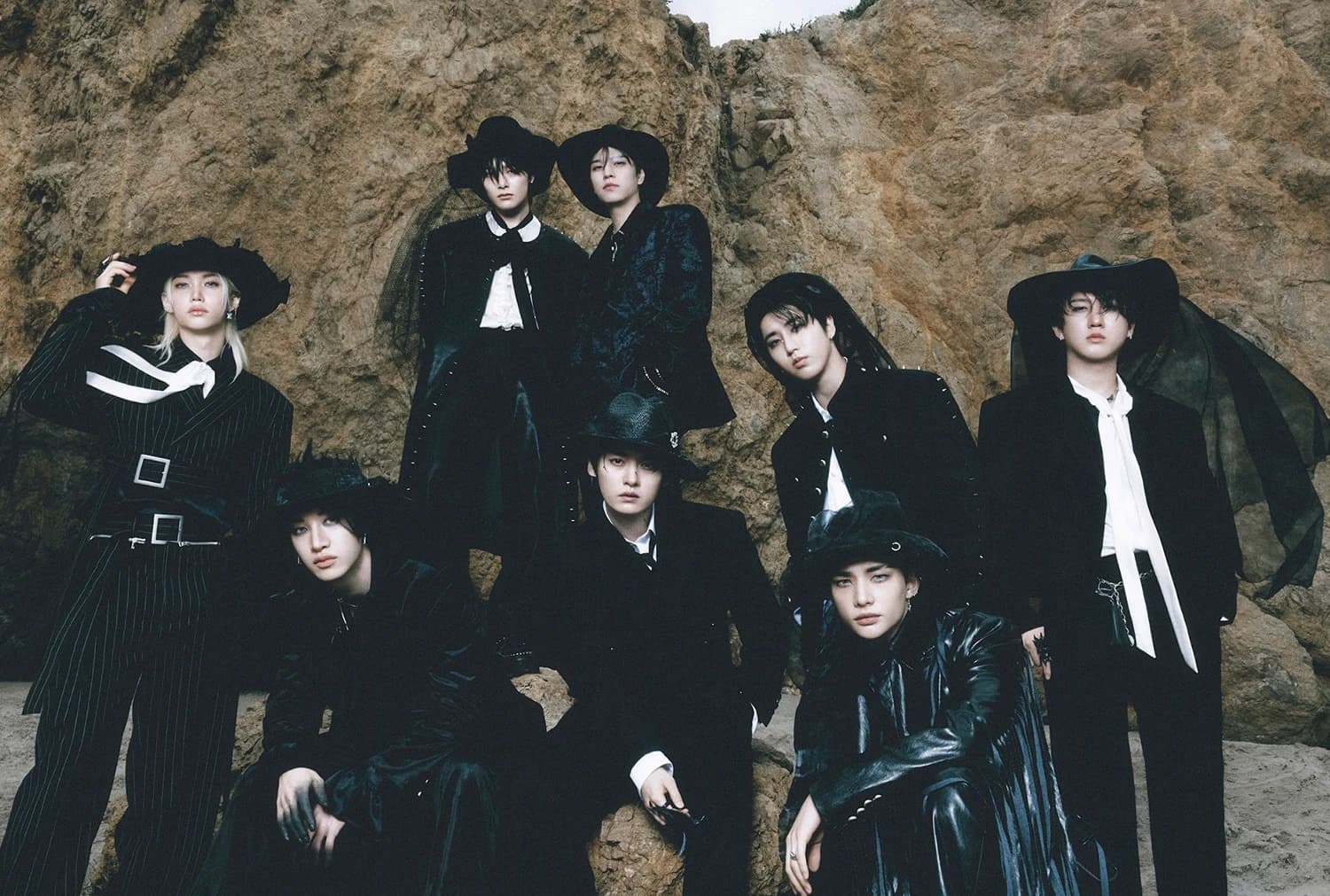
For K-pop fans, contract renewal season is amongst the most stressful. When a group re-signs, it's met with relief. When members start to leave, reactions range from devastation to vindication – depending on how well fans feel the label treated them. To understand why, it helps to understand what these contracts actually involve, how they've changed, and why the industry's current moment – marked by a wave of artists choosing independence over renewal – looks the way it does.
The concept of K-pop’s original agreements – known as “slave contracts” – was implemented around the same time as the idol system in the mid-1990s by SM Entertainment. These early contract formats locked trainees as young as 12 or 13 years old into long, restrictive agreements that would span anywhere from 10 to 13 years, effectively signing away their most crucial formative years to a company that would oversee how they ate, lived, and presented themselves publicly – including whether they were permitted to have a romantic relationship at all. For most idols, autonomy was something earned slowly, if at all.
Not only that, but it could take up to a decade for the company to even decide whether or not a trainee is ready to debut, which means most of them have already spent their teenage years in and out of dance practices, vocal lessons, media training, and linguistics before they’re even able to step on a stage. While the trainee process is overall effective at building and nurturing talent, it’s rigorous.
Additionally, being a trainee and subsequently debuting comes at a price that isn’t just mental or physical — there’s a financial aspect. Under most agreements, idols are typically expected to pay back their labels for the cost of singing and dancing lessons, wardrobe, housing, and music videos, among other expenses. This is because K-pop agencies invest millions into launching a new group, hoping the idols become both successful and profitable. To compensate, the money comes out of any earnings the idol receives, meaning it could take years before the artist’s debt is paid off and they’re able to see a steady stream of income. Even then, payment isn't guaranteed. fromis_9's Jiwon recently revealed she received no income for eight years despite debuting in 2018. Further up the career ladder, TAEMIN and EXO-CBX have both been involved in legal disputes over unpaid or unfairly distributed earnings. The financial model rewards the few and leaves the rest navigating terms that were never designed with the artist's interests as the priority.
However, the demanding and exhaustive nature of the 13-year contract standard was challenged in 2009, when three members of TVXQ (Junsu, Jaejoong, and Yoochun) sued SM Entertainment, claiming that “the contract was excessively long, schedules were held out without the confirmation or permission of the members, contract terms had been extended and changed without their knowledge or consent, and that the group's earnings were not fairly distributed to the members.” After a taxing battle in court — dragging on for the next three years — both parties agreed to withdraw their lawsuits, since the trio’s contract had already ended in July 2009.

In response, South Korea's Fair Trade Commission (KFTC) established a cap in 2010, limiting entertainment contracts to a maximum of seven years with an optional 2–3 year renewal. A second round of reforms followed in 2017, prompted in part by the case of traditional folk singer Song Sohee, who terminated her contract with Deokin Media after her manager sexually assaulted her – she was a minor at the time. The 2017 reforms reduced financial penalties for artists who exit contracts early, restricted labels from enforcing automatic renewals or unilaterally extending terms, and established clearer protections for artists' rights. Early termination penalties had previously functioned as a deterrent that kept artists locked into agreements regardless of how those agreements were being honoured.
Still, given the demanding nature of the K-pop industry, this is where we see the “seven-year curse” come in, where groups either disband, lose members, or enter an indefinite hiatus on or around their seventh year. Although artists are free to renegotiate, the seventh year is considered the “make-or-break” year for K-pop groups, and it’s become a regular occurrence for acts to dissolve and go their separate ways once their contracts expire.
When a group beats the seven-year curse – like ATEEZ and Stray Kids recently did – fans are relieved to see their faves still intact. But when members start to leave, responses can interestingly vary from disappointed to relieved, depending on the circumstance. NCT has been the clearest case this year, losing three members following the expiration of their 10-year contract (seven years with an additional three after resigning). While Mark’s departure in April was considered a shock and a devastating blow for NCTzens, WINWIN's was met with excitement.
On the other hand, while some K-pop idols have joined smaller labels — like SHINee’s Taemin joining Galaxy Corporation and Onew joining Griffin Entertainment — others establish their own agencies entirely. Before the issue of contract renewals even began, EXO’s Baekhyun co-founded INB100 in June 2023, confirming he already had plans of going independent before formally leaving SM. The singer also signed fellow members Chen and Xiumin to his label to manage their solo activities while remaining active members of EXO. Other idols who have established their own companies include GOT7’s Jackson Wang (Team Wang), Zico (KOZ Entertainment), and BLACKPINK’s Lisa (LLOUD), Jennie (OA), and Jisoo (BLISSOO).
The answer to why so many artists are leaving comes down to something simpler than contract length or legal reform. After years of limited autonomy, opaque earnings, and creative decisions made above their heads, artists are reaching the end of their contracts with both the means and the motivation to do things differently. From independent labels, direct-to-fan platforms, and international management structures, the options in reach today are ones that simply weren't available to earlier generations of idols. Leaving a major label is no longer a risk in the way it once was. For many, it's become the more logical choice.